





Improving Cost Certainty in Construction Projects Through Better Planning
Achieving cost certainty is one of the greatest challenges in modern construction projects. From early concept stages to final completion, financial decisions influence every aspect of delivery. While materials, labor, and timelines are constantly evolving, project teams still need reliable information to make confident choices.
Better planning, supported by accurate data and structured processes, plays a critical role in reducing financial risk and improving overall project outcomes. This article explores how cost certainty can be strengthened through smarter planning approaches, effective information management, and professional support.
[edit] Understanding Cost Certainty
Cost certainty refers to the level of confidence that a project will be delivered within an agreed budget. It does not mean costs will never change, but rather that changes are anticipated, managed, and communicated effectively.
High levels of cost certainty allow stakeholders to:
- Make informed investment decisions.
- Reduce the likelihood of disputes.
- Maintain better control over cash flow.
- Improve trust between project partners.
Without clear cost visibility, even well-designed projects can struggle to progress smoothly.
[edit] Why Cost Uncertainty Occurs
Several factors contribute to unpredictable project costs:
[edit] Incomplete Early Information
At the concept stage, designs are often still evolving. Limited detail makes it difficult to accurately assess quantities and scope.
[edit] Market Volatility
Fluctuations in material prices, labor availability, and supply chain conditions can quickly impact budgets.
[edit] Scope Changes
Client requirements may change as a project develops, leading to additional work and revised costs.
[edit] Poor Coordination
Miscommunication between design, procurement, and construction teams can result in duplicated effort, rework, or omissions.
Recognizing these challenges is the first step toward addressing them.
[edit] The Role of Early-Stage Planning
Strong planning during the early phases of a project sets the foundation for cost certainty. This includes:
- Clear definition of project objectives.
- Development of realistic budgets.
- Identification of key risks.
- Establishment of communication protocols.
Early planning allows teams to explore different design and construction options and understand their financial implications before major commitments are made.
[edit] Importance of Accurate Quantity Assessment
Reliable quantity assessment is essential for understanding how much material, labor, and time a project will require. Accurate quantities support:
- More realistic budgets.
- Better procurement strategies.
- Reduced waste.
- Improved scheduling.
When quantities are unclear or inaccurate, cost estimates become unreliable, increasing the likelihood of budget overruns.
[edit] Using Data to Support Better Decisions
Data-driven planning is increasingly becoming standard practice. Historical project data, benchmarking, and digital tools enable teams to compare current projects with similar past work.
Benefits of data-driven approaches include:
- More consistent estimating.
- Identification of cost trends.
- Faster decision-making.
- Improved forecasting.
Well-organized data also makes it easier to update budgets as designs develop.
[edit] Collaboration Between Project Stakeholders
Cost certainty is a shared responsibility. Designers, engineers, contractors, and clients all play a role in maintaining financial control.
Effective collaboration involves:
- Regular coordination meetings.
- Transparent sharing of information.
- Clear documentation of changes.
- Agreed processes for approvals.
When stakeholders work together from the start, potential cost issues can be identified and resolved earlier.
[edit] Managing Risk Through Scenario Planning
Scenario planning involves evaluating different potential outcomes and their financial impact. For example:
- What happens if material prices increase?
- How would delays affect labor costs?
- What are the cost implications of alternative design options?
By considering these scenarios in advance, teams can develop contingency strategies and avoid reactive decision-making.
[edit] The Value of Professional Cost Support
Many project teams engage specialist cost professionals to support planning and budgeting activities. These professionals apply structured methodologies, industry knowledge, and advanced tools to produce more reliable cost information.
Blaze Estimating LTD provides professional estimating and quantity assessment support for projects across the UK, helping teams gain clearer visibility into expected costs and resource requirements. Their expertise supports better planning and improved financial control from early design through to construction.
[edit] Digital Tools and Cost Management
Digital platforms are transforming how cost information is created and managed. Common tools include:
- Building information modelling (BIM).
- Cost management software.
- Cloud-based collaboration systems.
These tools allow real-time updates, improved accuracy, and easier sharing of information among stakeholders.
[edit] Linking Design Decisions to Cost Outcomes
Every design choice has a financial impact. Materials, structural systems, finishes, and building services all influence the overall budget.
When cost considerations are integrated into design discussions, teams can evaluate options holistically rather than treating cost as an afterthought.
[edit] Continuous Cost Monitoring
Cost certainty is not achieved once and then forgotten. It requires ongoing monitoring throughout the project lifecycle.
Key activities include:
- Updating estimates as designs develop.
- Tracking actual costs against budgets.
- Reviewing variations and change orders.
- Reporting regularly to stakeholders.
Continuous monitoring ensures that emerging issues are identified early.
[edit] Building Long-Term Value
Projects that achieve strong cost certainty are more likely to deliver long-term value. Predictable costs support better asset performance, improved sustainability outcomes, and greater client satisfaction.
Organizations that invest in better planning processes and professional support position themselves for consistent success.
[edit] Conclusion
Improving cost certainty in construction projects requires a combination of early planning, accurate information, collaborative working, and ongoing monitoring. By adopting structured approaches and leveraging professional expertise, project teams can reduce financial risk and make more confident decisions.
For more information about professional estimating and quantity assessment support, visit https://blazeestimating.uk.
Featured articles
Check out some of the best features and news from Designing Buildings as well as key stories from around the web.
The importance of early engagement
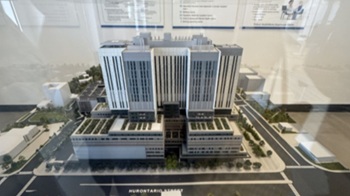
Construction lessons from the Trillium HealthWorks Experience Centre.
Mayors are to be given planning call in powers
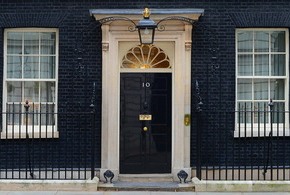
Mayors across England will be able to make the most important planning decisions.
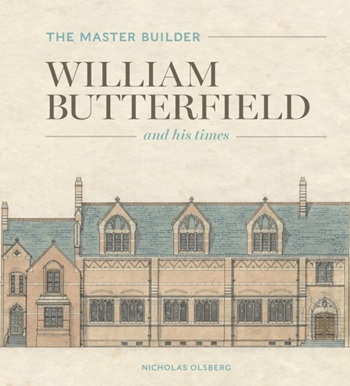
The Master Builder: William Butterfield and his times. Book review.

Why construction can't afford to ignore the skills gap.
Building Safety Regulator, 19 August

Gill Kernick appointed Independent Chair of Residents’ Panel.
Connecting knowledge, technology and conservation
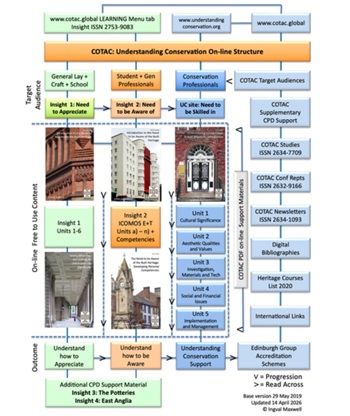
Building competence for the future of built heritage.
Building Regulations and Building Safety Act

CIOB publishes free advice for non-domestic clients.
Building Safety Newsletter from MHCLG.
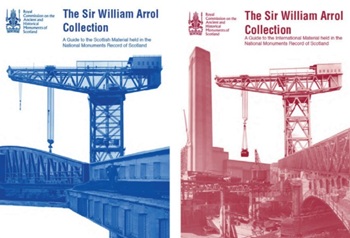
An extraordinary record of steel engineering worldwide.
Households living near new pylons to save on bills.

ECA warns growth must not outpace grid capacity or skills.
The role of the client and decision making

CIOB response to built environment professions call for evidence.